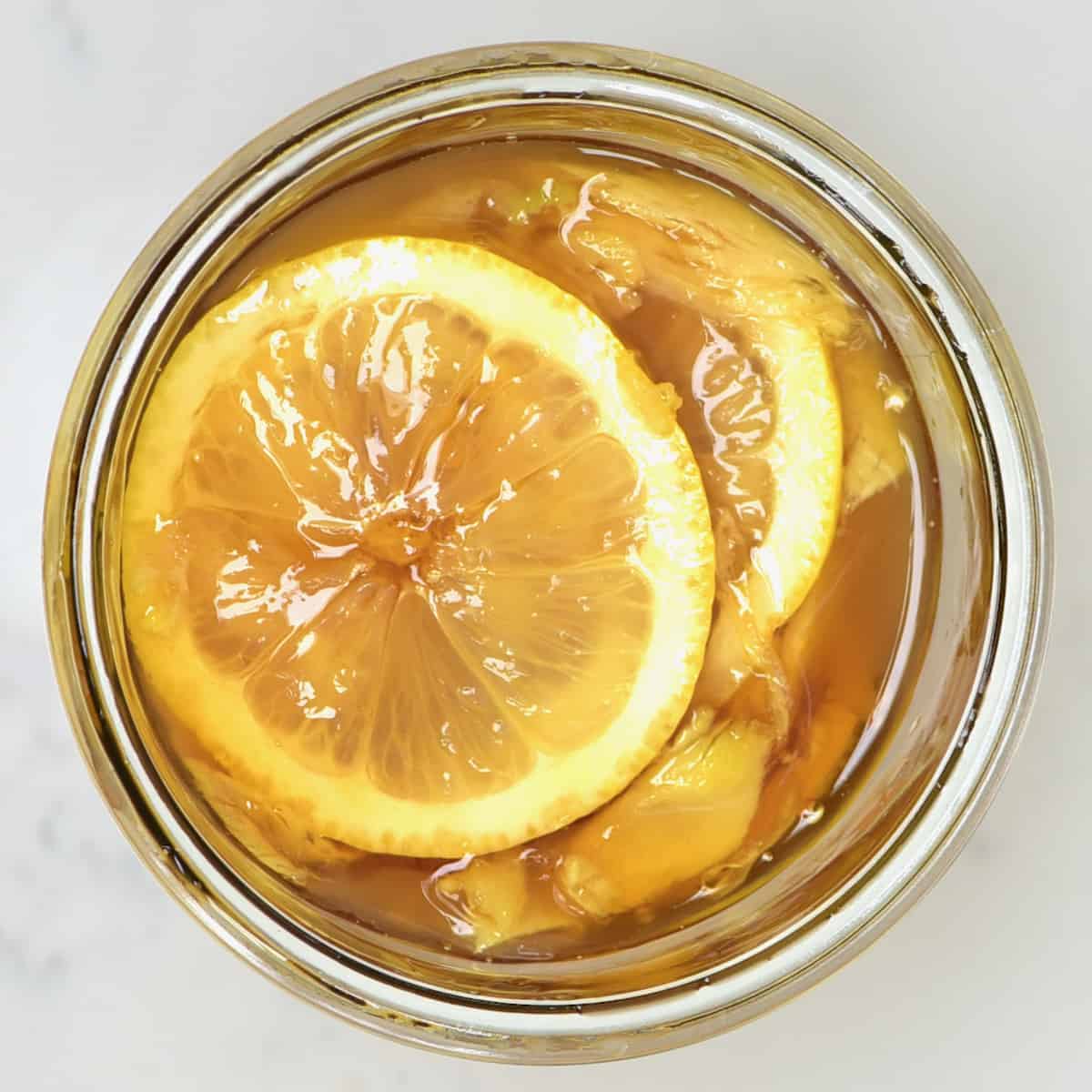
Easy Honey Fermented Ginger Lemon: Your Simple Wellness Tonic for Everyday Vitality
In a world increasingly seeking natural paths to well-being, few remedies offer the delightful taste and potent benefits of a truly homemade tonic. Enter the phenomenon of
honey fermented ginger and lemon – a vibrant, zesty concoction that’s as simple to make as it is powerful in its effects. This ancient tradition, revitalized for modern kitchens, transforms humble ingredients into a versatile wellness elixir, ready to soothe, invigor boost, and delight your senses. Forget complicated processes; this is fermentation at its most approachable, delivering a concentrated dose of immune-boosting goodness with every spoonful.
The Power Trio: Why Honey Fermented Ginger and Lemon Works Wonders
The magic of this wellness tonic lies in its synergistic blend of three powerhouse ingredients, each bringing unique benefits that are further enhanced through the fermentation process. When ginger, lemon, and raw honey come together, they don't just combine; they transform into something even greater.
Ginger: The Warming Healer
For centuries, ginger has been revered across cultures for its incredible medicinal properties. Its distinct pungent aroma and spicy kick come from active compounds like
gingerols and
shogaols, which are potent anti-inflammatory and antioxidant agents.
- Digestive Aid: Ginger is renowned for easing nausea, indigestion, and bloating, promoting a healthy gut environment.
- Anti-Inflammatory: It helps reduce inflammation throughout the body, offering relief for conditions like arthritis and muscle soreness.
- Immune Support: Its warming properties are believed to help ward off colds and flu, making it a staple in traditional cold remedies.
Lemon: The Zesty Detoxifier
Bright, refreshing, and incredibly versatile, lemon is a nutritional superstar packed with essential vitamins and antioxidants.
- Vitamin C Powerhouse: A crucial vitamin for a robust immune system, Vitamin C is also vital for skin health and collagen production.
- Antioxidant Rich: Lemons contain flavonoids that protect cells from damage caused by free radicals.
- Natural Antiviral & Antibacterial: Its inherent properties help the body fight off various pathogens, aiding in detoxification and promoting overall vitality.
Raw Honey: Nature's Golden Elixir
Not all honey is created equal, and for fermentation,
raw, unpasteurized honey is non-negotiable. This golden nectar is far more than just a sweetener; it’s a living food.
- Prebiotic & Probiotic Potential: Raw honey contains beneficial enzymes, pollen, and naturally occurring wild yeasts and bacteria that kickstart fermentation. These organisms help foster a healthy gut microbiome, which is intrinsically linked to immunity.
- Antimicrobial & Antioxidant: Raw honey possesses natural antibacterial, antiviral, and antioxidant properties, making it a powerful ally against various ailments.
- Allergy Relief: Local, raw honey, with its trace amounts of local pollen, is anecdotally believed by some to help desensitize individuals to seasonal allergies over time.
Through fermentation, these ingredients become more bioavailable, meaning your body can absorb and utilize their beneficial compounds more effectively. It’s a true wellness boost, especially when facing the sniffles or needing an extra lift.
Demystifying Fermentation: The Simple Science Behind the Magic
If the word "fermentation" conjures images of complex lab equipment or finicky cultures, think again. Creating your own
honey fermented ginger and lemon is incredibly straightforward, harnessing natural processes that have been used for millennia to preserve food and enhance its properties.
The secret lies in raw honey. Unlike pasteurized honey, which has been heated to kill off microbes, raw honey is teeming with beneficial enzymes, yeasts, and bacteria. These natural microorganisms are the engines of fermentation. When you combine them with fresh ginger and lemon slices, a subtle yet powerful transformation begins.
Here’s how it works:
- Moisture Release: Honey is hygroscopic, meaning it draws moisture out of its surroundings. When layered with juicy ginger and lemon slices, the honey slowly extracts water from the plant material. This increased moisture content (reaching around 19-20%) is crucial, as it provides the ideal environment for the natural yeasts and bacteria to thrive.
- Yeast Activation: The naturally occurring yeasts found in raw honey, and also present on the skins of organic fruits and vegetables like ginger and lemon, begin to metabolize the sugars in the honey and fruit.
- Gas Production: As the yeasts consume sugars, they produce carbon dioxide gas and a small amount of alcohol (usually negligible in home ferments like this). You'll notice this as tiny bubbles rising in your jar – a sure sign your ferment is alive and happy!
- Flavor & Compound Development: Over time, this microbial activity breaks down complex sugars and creates new beneficial compounds, leading to a more complex, tangy, and zesty flavor profile, alongside enhanced nutritional value. The process also acts as a natural preservative.
The beauty is that this "intricate process" essentially happens on its own, with minimal intervention required from you, making it an ideal entry point for anyone curious about the world of home fermentation.
Crafting Your Own Honey Fermented Ginger Lemon: A Step-by-Step Guide
Ready to embark on your own journey into delicious wellness? Making your own
honey fermented ginger and lemon is surprisingly simple. Here’s how to get started:
What You'll Need:
- Organic Ginger: About 1-2 medium-sized roots. Organic is preferred as you may choose to leave the skin on, which contains beneficial microbes.
- Unwaxed Organic Lemons: 2-3 medium lemons. Unwaxed is crucial to avoid unwanted chemicals leaching into your ferment.
- Raw, Unpasteurized Honey: Enough to cover all your ingredients in the jar, typically 1-2 cups. Local raw honey is an excellent choice.
- Clean Glass Jar: A wide-mouth Mason jar (pint or quart size) is ideal. Ensure it's thoroughly cleaned and sterilized.
- Sharp Knife & Cutting Board
Preparation Steps:
- Wash & Prep Ginger: Thoroughly wash the ginger roots. You can peel the ginger if you prefer a less intense flavor and smoother texture, or leave the skin on for maximum beneficial microbes and a more rustic feel (just scrub well!). Slice the ginger into thin rounds or matchsticks, about 1/8 to 1/4 inch thick. Thinner slices ferment faster and release more flavor.
- Wash & Prep Lemons: Thoroughly wash the unwaxed lemons. Slice them into thin rounds, again about 1/8 to 1/4 inch thick. You can remove the seeds, but it's not strictly necessary.
- Layer in the Jar: Begin by placing a layer of ginger slices at the bottom of your clean jar, followed by a layer of lemon slices. Repeat this layering process until the jar is about two-thirds full, leaving enough space for the honey and for potential bubbling.
- Pour in the Honey: Slowly pour the raw honey over the ginger and lemon slices. Ensure all the plant material is completely submerged in honey. Use a spoon or a clean chopstick to gently press down the fruit and release any trapped air bubbles. It's vital that the solids remain covered by honey to prevent mold.
- Seal & Store: Loosely place the lid on the jar. Do not seal it tightly, as gas will build up during fermentation and could cause the jar to burst. Alternatively, you can use an airlock system if you have one. Place the jar in a cool, dark place at room temperature (ideally 68-75°F or 20-24°C), out of direct sunlight.
Fermentation and Care:
- Initial Days (1-3 weeks): For the first few days, you might not see much activity, but soon you'll likely notice tiny bubbles forming around the ginger and lemon slices, and the honey might start to become thinner as liquid is drawn out.
- "Burping" Your Jar: Every day, or every other day, gently loosen the lid to release any built-up carbon dioxide gas. This is crucial to prevent pressure from accumulating.
- Stirring (Optional): You can gently stir the mixture occasionally with a clean, non-metallic spoon to ensure all ingredients are submerged and to distribute the microbes.
- Patience is Key: Active fermentation usually lasts 1-3 weeks. The longer it ferments, the more complex the flavors will become and the more beneficial compounds will develop. You'll know it's ready when the honey is noticeably thinner, there's consistent bubbling, and it has a delightful tangy aroma.
- Storage: Once active fermentation slows down (fewer bubbles), you can transfer your honey fermented ginger and lemon to the refrigerator. This will slow down the fermentation process significantly, preserving its flavor and extending its shelf life for several months.
A successful ferment should smell pleasantly tangy, sweet, and gingery. If you ever see mold (fuzzy patches), unfortunately, you'll need to discard the batch. However, this is rare with honey ferments if the solids are kept submerged.
Unleash the Versatility: Beyond the Tonic
While a spoonful of
honey fermented ginger and lemon directly from the jar is a fantastic immune-boosting pick-me-up, its uses extend far beyond a simple wellness tonic. This vibrant ferment is a culinary chameleon, ready to elevate a wide array of dishes and beverages.
Consider these delightful applications:
- Soothing Elixir: Stir a spoonful into a mug of hot water for an instant, comforting ginger tea that’s perfect for sore throats, colds, or just a relaxing evening. You can also add it to cold water for a refreshing, zesty drink. For an in-depth look at its immune-boosting power and how it provides cold relief, check out our guide on Honey Fermented Ginger Lemon: Immune Boost & Cold Relief Elixir.
- Dressings & Marinades: The tangy sweetness and zesty kick make it an incredible base for salad dressings, vinaigrettes, or marinades for chicken, fish, or tofu. Whisk it with olive oil, a splash of apple cider vinegar, and a pinch of salt and pepper.
- Flavorful Sauces & Glazes: Incorporate the fermented honey into stir-fry sauces, glazes for roasted vegetables, or a sticky marinade for grilled meats. It adds a unique depth of flavor.
- Beverage Booster: Add a teaspoon to your smoothies, sparkling water, kombucha, or even cocktails for a sophisticated twist. It pairs beautifully with gin or vodka.
- Yogurt & Dessert Topping: Drizzle it over plain yogurt, oatmeal, pancakes, or even a scoop of vanilla ice cream for a unique sweet and spicy flourish.
The possibilities are truly endless, limited only by your imagination. To truly explore its culinary potential, don't miss
Unleash Flavor & Wellness: Uses for Honey Fermented Ginger Lemon.
Conclusion: Embrace Natural Wellness with Ease
Crafting your own
honey fermented ginger and lemon is more than just a recipe; it's an invitation to take an active role in your wellness journey. It's about harnessing nature's wisdom to create something profoundly beneficial, incredibly delicious, and surprisingly simple right in your own kitchen. From soothing cold symptoms and boosting immunity to enhancing your favorite dishes, this versatile tonic offers a delightful fusion of taste and health. So, gather your ingredients, embrace the easy magic of fermentation, and prepare to indulge in your simple, homemade wellness tonic – a testament to the power of nature, patience, and a little bit of honey.